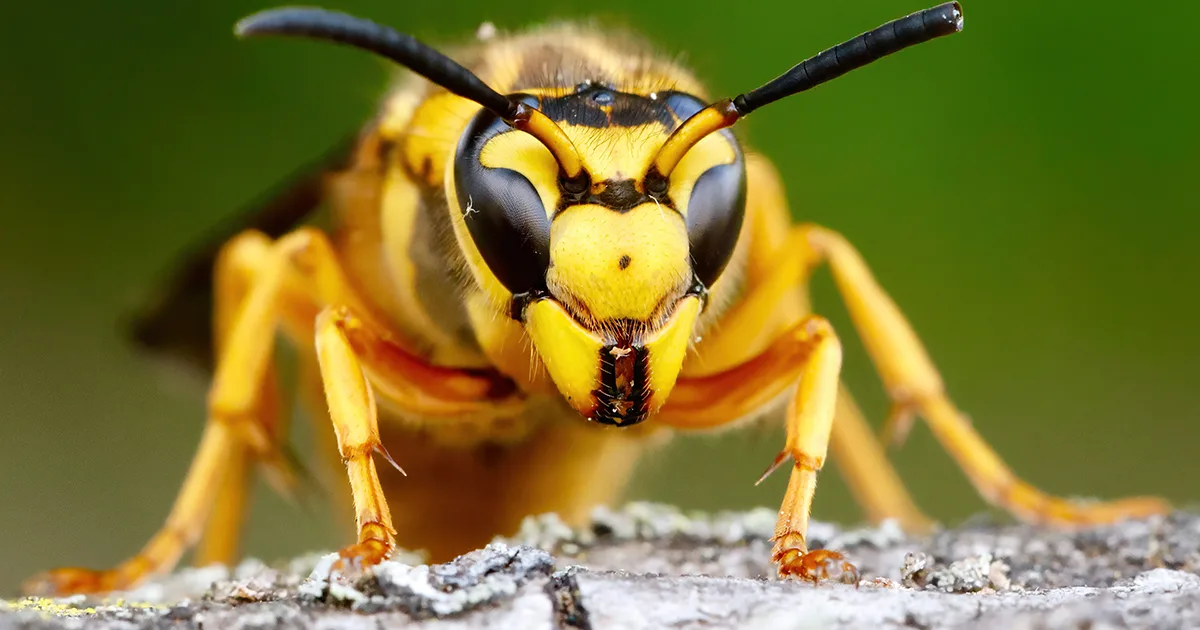
If you or someone with you has just been stung by a wasp, you should immediately: move away from the area, remove any visible stinger, and wash the site with soap and water. While most wasp stings can be treated at home, there are still times when your symptoms might call for medical attention.
Keep reading to learn how to treat a wasp sting at home, what a sting looks and feels like, how long symptoms can last, and when to head to urgent care or call 911.
If you’ve been stung by a wasp, clean the sting site thoroughly with soap and water. To reduce swelling, place an ice pack on the sting site in 10-minute intervals (10 minutes on, 10 minutes off) for 30-60 minutes. When using an ice pack, always place a barrier (like a towel or piece of clothing) between the ice and the skin to avoid frostbite.
Over-the-counter antihistamines (Benadryl), pain relievers (Tylenol or Advil), and insect sting products can also help. If you’ve been prescribed an epi-pen for prior stings and severe reactions, make sure that it’s not expired and keep it handy when outside during the summer months.
If you’ve been previously stung by a wasp and didn’t experience a more intense reaction, it’s important to monitor for new or worsening symptoms, including generalized hives, trouble breathing, or swallowing.
Most wasp stings cause discomfort in the concentrated area around the site and settle down within a few days. However, there are signs a sting may be more serious. Seek medical care if you experience swelling that continues to spread well beyond the sting site and/or any symptoms feel like they’re getting worse rather than better over time.
If you’re unsure whether what you’re experiencing is a normal reaction or something more, you should always seek medical care.
Visit vybe urgent care with mild to moderate allergic reactions to wasp stings. This includes reactions like:
All vybe locations offer treatment for a wide range of insect and bug bites and many other urgent care services.
There are times when you’ll need to skip urgent care and go straight to the ER for a wasp sting. Call 911 or head to the emergency room right away if you get stung anywhere in or around your mouth, nose, or throat — or if there are any signs of a life-threatening allergic reaction, such as:
Wasp stings usually feel like a sharp jab, followed by swelling, redness, itching, and/or heat where the sting occurred.
In a minor reaction to a wasp sting, the sting will look like a raised welt on your skin. It’s possible to see a small white mark in the middle of the welt, which is where the wasp’s stinger punctured the skin.
Mild to moderate reactions to a wasp sting will appear severely red and swollen and can last two or three days after the sting. You may also feel nauseous and experience vomiting. These symptoms occur because your body is allergic to the wasp venom and is having an allergic reaction.
Most wasp stings clear up quickly, but the unpleasant aftereffects can last for days. The initial jabbing pain usually lasts only 1-2 hours, and any swelling, redness, and/or itching should peak about 48 hours after the sting. However, it may take up to a week to fully heal.
Wasp stings can get infected, so be sure to visit your nearest vybe urgent care if you have any sort of discharge at the sting site or your symptoms worsen over time.
Some swelling beyond the 48-hour mark can be normal, especially if you immediately had a more significant reaction to the sting. However, if you have significant swelling that continues to grow after 48 hours, spreads well beyond the original sting site, or comes with increasing pain and warmth, it may be a sign of a large local reaction or an allergic reaction.
Here’s a quick guide to what different swelling patterns can mean:
Perhaps the greatest difference between bee stings and wasp stings is that bee stings are one-and-done. Unlike bees, wasps can sting multiple times, and their venom is typically more potent than bee venom. This can make wasp stings more painful and the symptoms that follow look and feel worse.
Wasps also tend to be more aggressive than bees. When a wasp stings, it can release a pheromone that signals nearby wasps to join in, meaning that instead of fighting off one wasp, you could end up getting stung by a whole horde of them.
Multiple wasp stings or an allergic reaction to wasp venom can lead to anaphylaxis or even death. If you or someone nearby is stung multiple times or shows signs of a severe reaction, don’t wait to take action and seek medical care.
Wasp stings are no fun, but you don’t have to tough it out alone. Walk in or schedule a same-day appointment at your nearest vybe urgent care and let our friendly providers take a look so you can get treatment and get back to enjoying your day.
This content is for general informational purposes only and is not a substitute for professional medical advice. A licensed healthcare provider can evaluate your specific symptoms and situation.
FIND YOUR VYBE