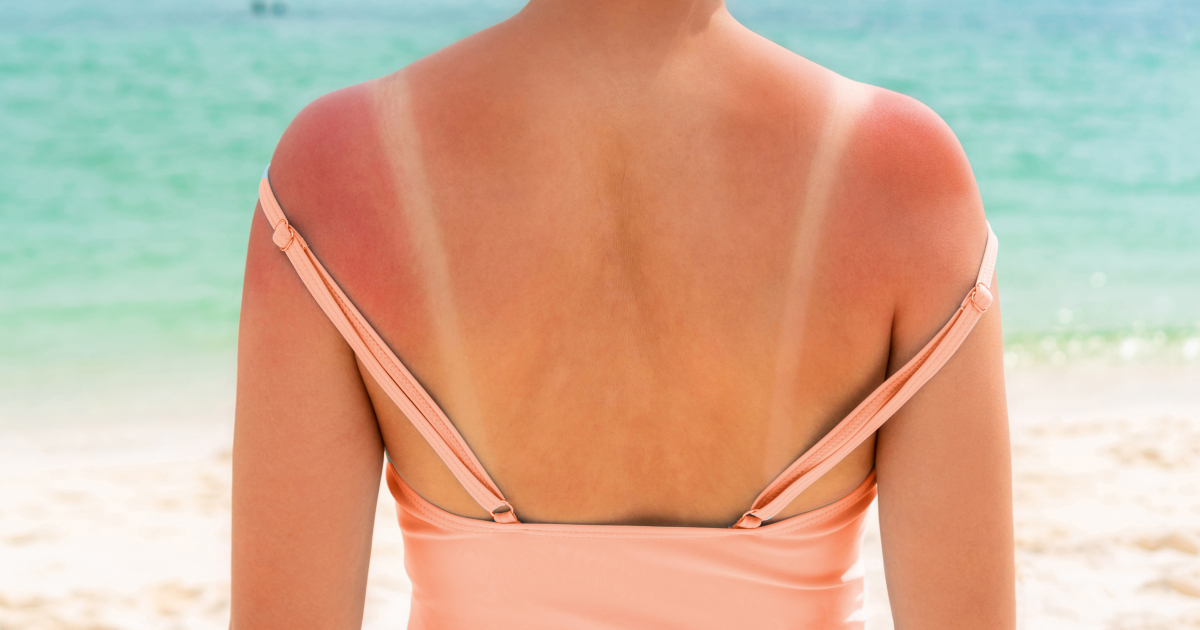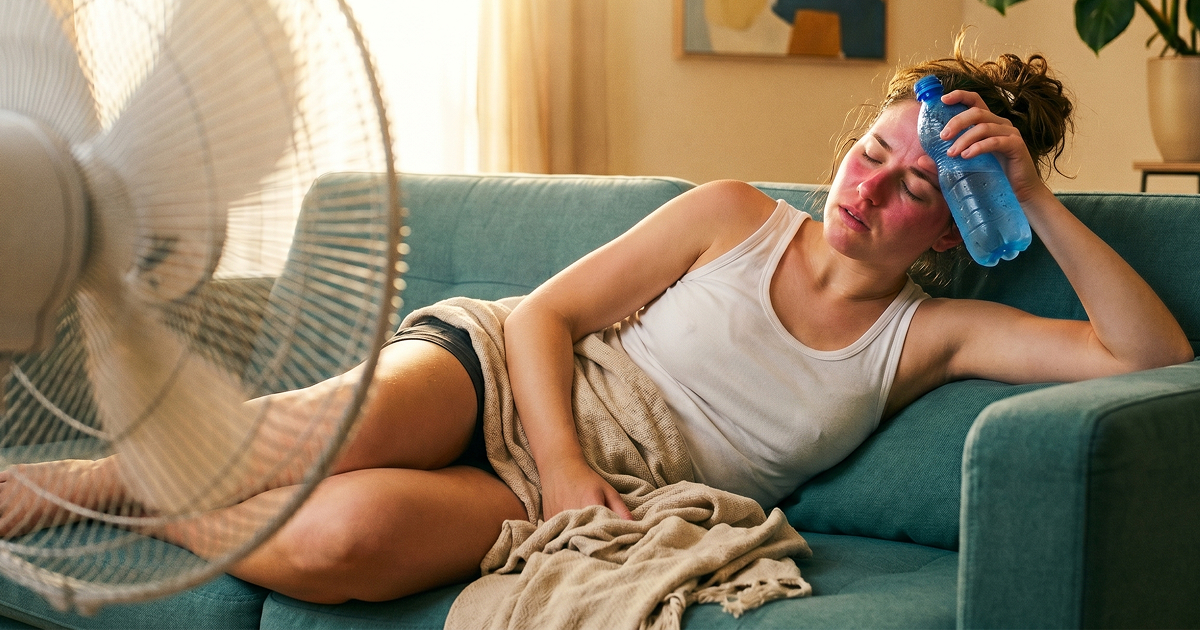
You stepped outside for a few hours. Maybe it was a beach day, a long hike, or just more time in the sun than you expected. Now you’re home, and something feels off: you might have a headache, chills, or what looks like a really angry sunburn.
These symptoms can signal more than just a little too much sun. Sun poisoning is real, and it’s more than just a bad sunburn. Most cases of sun poisoning only last about 3 to 10 days, with milder cases clearing up sooner and more severe reactions taking a bit longer to fully resolve.
In this blog, we’ll cover:
If you’re feeling worse after a day in the sun, a provider at vybe urgent care can help you figure out next steps.
Most people know what a sunburn feels like. Your skin turns red, it’s sore for a day or two, and then it starts to fade. You can normally count on these minor burns to heal on their own within a few days.
Sun poisoning is a step beyond that. It involves significant skin damage, and you’ll often develop much more intense symptoms than a sunburn. If the name “sun poisoning” sounds alarming, it’s worth knowing: it’s not toxic poisoning. It’s an extreme sunburn that creates a bigger immune response, not just reacting to damaged skin.
The line between sunburn and sun poisoning often comes down to how someone’s individual body handles the sun. People with fair skin, a history of sun sensitivity, or certain medications may be more prone to sun poisoning.
Sun poisoning symptoms can show up as early as 6 to 12 hours after exposure, and they typically peak around 24 to 48 hours. Common symptoms include:
Some people can also develop hives or an itchy rash, which often appears on the areas exposed to the sun.
If it sounds a lot like the flu, that’s not a coincidence. Your immune system is doing a lot of work to begin the healing process. So, how long does sun sickness last at this level? For most people, the worst of the systemic symptoms ease up within two to three days, with skin symptoms lingering a little longer. However, results and recovery times can vary based on individual health history and condition.
If your symptoms are uncomfortable but not severe, there are some actions you can take to support your recovery at home. Here’s where to start:
Home care works well for mild to moderate cases, but some symptoms are a signal that it’s time to see a provider.
Consider visiting an urgent care if you’re experiencing:
Go to the nearest emergency room or call 911 if you notice confusion, difficulty breathing, or loss of consciousness. These may be signs of heat stroke, which requires emergency care.
If you’re not feeling right after too much sun, you don’t have to wait it out alone. vybe urgent care providers can evaluate how you’re feeling, identify signs of dehydration, and determine the appropriate course of treatment. Booking an appointment online is easy, or you can walk in to any location seven days a week.
In the first 0 to 12 hours, your skin turns red and hot, and you may start to feel the early signs of symptoms like fatigue or a mild headache. Between 12 and 48 hours, symptoms typically peak — that’s when pain, fever, chills, nausea, and general flu-like feelings tend to be most intense.
Starting around day three, the body begins to recover. Skin may start peeling, systemic symptoms ease, and energy gradually returns. By days five to seven, most people are feeling significantly better, though skin healing can continue a little longer.
Yes. Mild to moderate sun poisoning typically resolves on its own with rest, hydration, and proper skin care. Most people see real improvement within a few days. That said, if your symptoms are severe, worsening, or haven’t improved after two to three days, don’t push through it. A provider can assess what’s going on and help you get back on track faster.
Yes, you can walk in or make an appointment online for any vybe location. A provider can evaluate your symptoms, provide wound care for blisters, assess dehydration symptoms, and determine the appropriate course of treatment. Find a location near you today.
This content is for general informational purposes only and is not a substitute for professional medical advice. A licensed healthcare provider can evaluate your specific symptoms and situation.
FIND YOUR VYBE